
Dementia Prevention: What Actually Works to Protect Your Brain
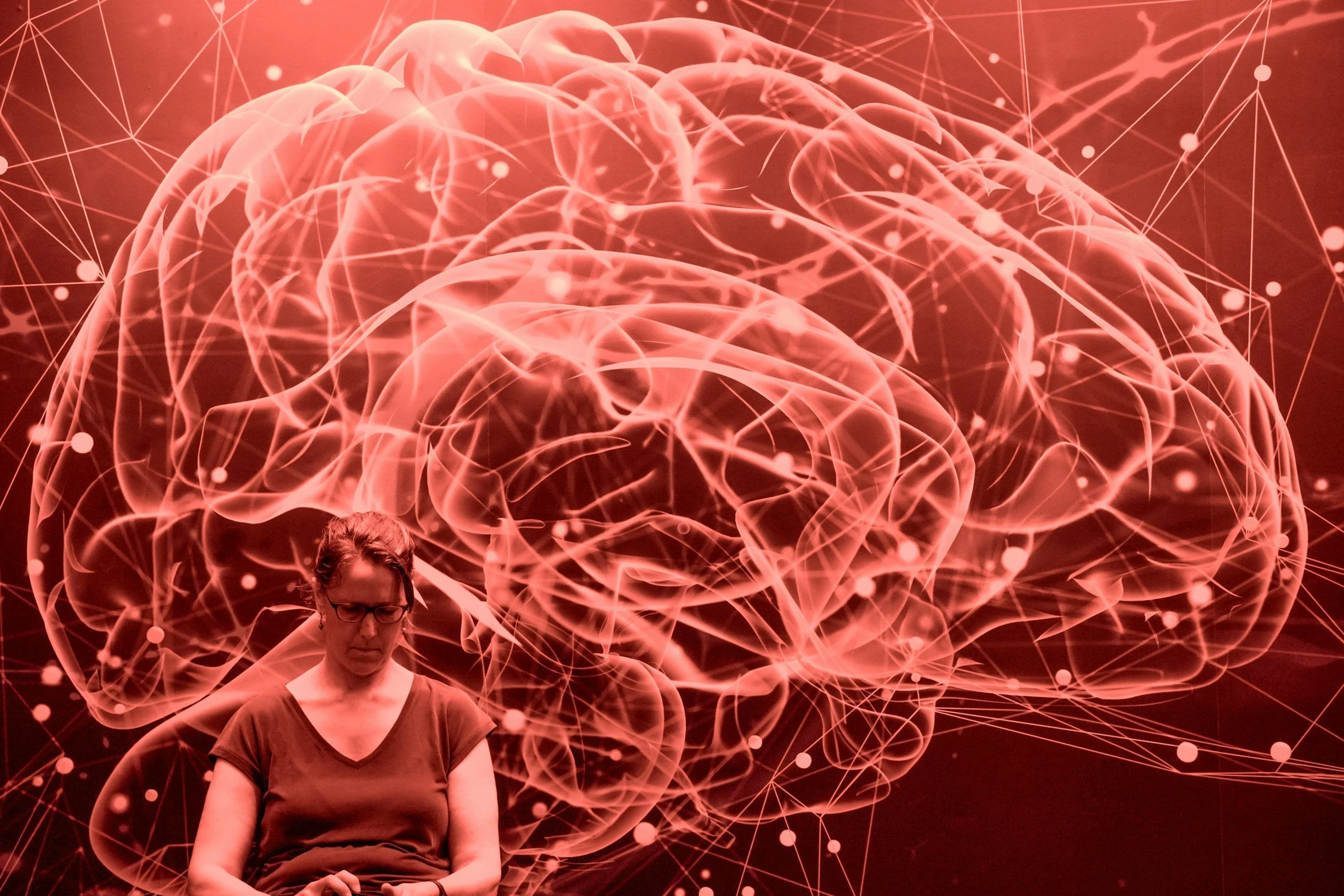
Dementia is one of the most feared conditions of aging—and for good reason. It affects memory, independence, and quality of life. But here’s the empowering truth: a significant portion of dementia risk is modifiable.
Research suggests that up to 40–45% of dementia cases may be preventable through lifestyle and health interventions. While we can’t change genetics, we can influence how our brain ages.
Let’s break down what truly matters.
🧠 What Is Dementia?
Dementia is not a single disease—it’s a syndrome involving decline in memory, thinking, and daily functioning. The most common type is Alzheimer’s disease, but vascular dementia, Lewy body dementia, and others also contribute.
Dementia develops over years—even decades—making early prevention essential.
🔑 The 6 Pillars of Dementia Prevention
1. 🛡️ Protect Your Heart = Protect Your Brain 🛡️
What’s good for your ❤️ is good for your 🧠.
Conditions like high blood pressure, diabetes, obesity, and high cholesterol damage blood vessels—including those in the brain.
Focus on:
Blood pressure control
Blood sugar regulation
Cholesterol management
Maintaining a healthy weight
Even modest improvements can reduce risk.
2. Move Your Body Regularly 🏃🏻♀️🏊🏻♀️🚴🏻♀️🏋🏻♀️🎾💃🏻🕺🏻
Physical activity is one of the most powerful tools we have.
Exercise:
Increases blood flow to the brain
Reduces inflammation
Promotes growth of new brain cells
Goal:
At least 150 minutes/week of moderate activity
Include strength training 2x/week
Walking, strength training, dancing—it all counts.
3. Nourish Your Brain 🥗🍎🥦🥑🥕🍅🍆🍠🫐
Diet plays a major role in cognitive health.
The most studied pattern is the MIND diet (a blend of Mediterranean and DASH diets), which emphasizes:
Leafy greens
Berries
Nuts
Olive oil
Fish
Whole grains
Limit:
Ultra-processed foods
Excess sugar
Trans fats
Food is information for your brain—choose wisely.
4. Prioritize Sleep 😴 🛌
Sleep is when your brain “cleans house.”
During deep sleep, your brain clears waste products, including beta-amyloid (linked to Alzheimer’s disease).
Aim for:
7–9 hours per night
Consistent sleep schedule
Untreated sleep apnea 💤 is a major and often overlooked risk factor—worth evaluating if you snore or feel fatigued.
5. Stay Mentally & Socially Engaged
Your brain thrives on stimulation and connection.
Mental activity:
Learning new skills ♟️
Reading 📖
Puzzles 🧩
Trying new hobbies 🎨 🎼
Social connection: 👩🏽🤝👨🏼👭👩🏻❤️👨🏻👨🏽🤝👨🏿👩🏽❤️💋👩🏻👨🏼❤️👨🏽
Reduces depression and isolation
Improves cognitive resilience
Loneliness is now recognized as a significant dementia risk factor.
6. Address Hearing Loss & Mental Health 🗣️👂
These are often overlooked—but critical.
Hearing loss increases cognitive load and social withdrawal
Depression is both a risk factor and early sign of dementia
Take action:
Get hearing checked
Use hearing aids if needed
Treat anxiety and depression early
⚠️ Additional Risk Factors to Reduce
Smoking
Excess alcohol use
Sedentary lifestyle
Air pollution exposure
Traumatic brain injury
Every small change adds up.
🧬 What About Genetics?
Genes like APOE4 can increase risk—but they are not destiny.
Lifestyle choices can significantly influence whether those genes are “expressed.”
Think of genetics as the loaded gun—environment and behavior pull the trigger.
🌿 A Lifelong Approach
Dementia prevention doesn’t start at age 65—it starts now.
In fact, midlife (ages 40–65) is one of the most critical windows for:
Blood pressure control
Exercise habits
Metabolic health
But it’s never too late. Even small changes later in life can improve brain health.
💡 Key Takeaways
Up to 40–45% of dementia risk is preventable
Focus on heart health, movement, nutrition, sleep, and connection
Address hearing loss and mental health early
Small, consistent habits matter more than perfection
❤️ Final Thought
Protecting your brain isn’t about one supplement or one habit—it’s about building a lifestyle that supports long-term cognitive health.
The goal isn’t just to live longer.
It’s to think clearly, stay independent, and live well—at every age.