
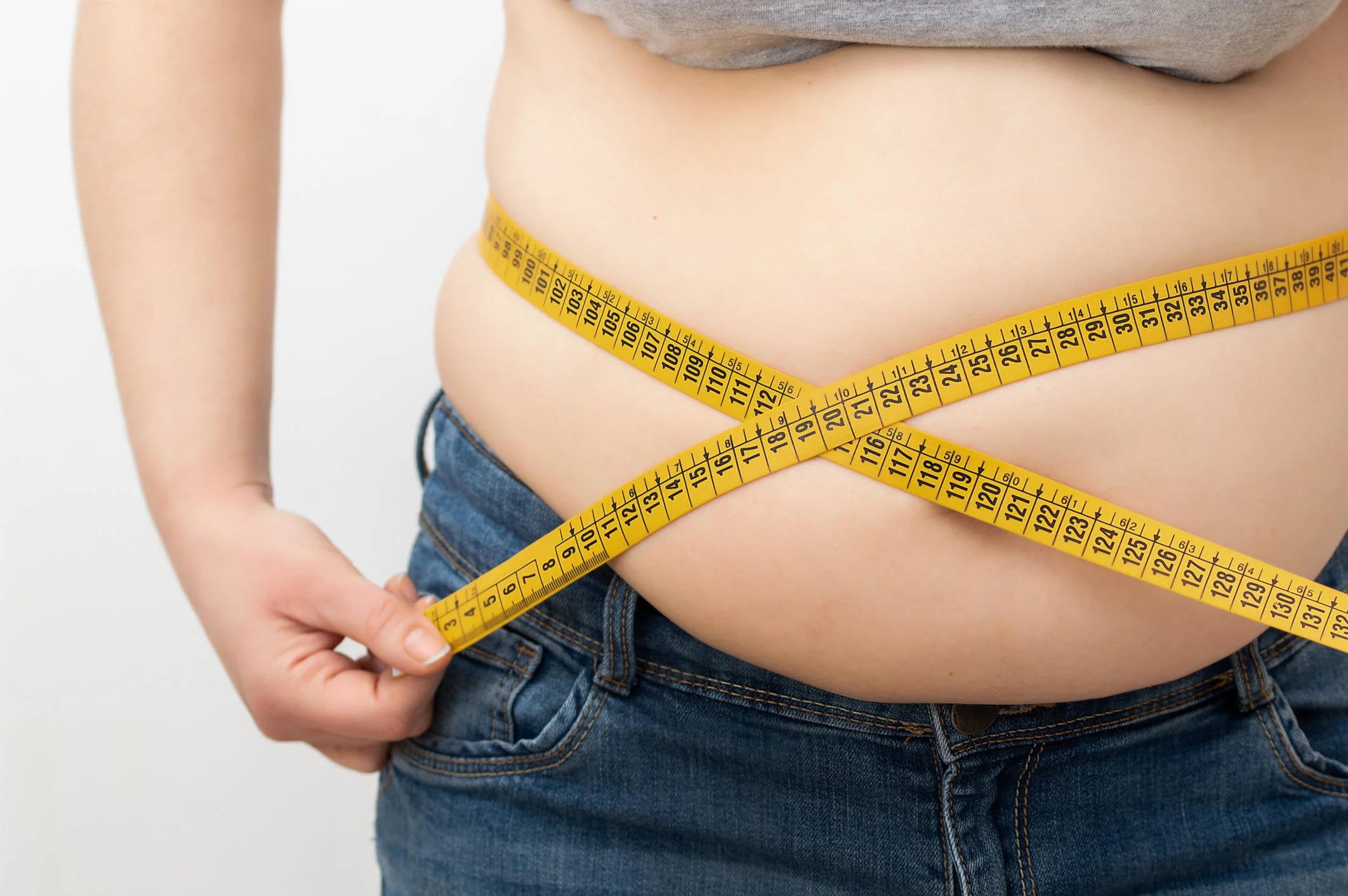
The Next Generation of Obesity Medications: What’s Coming in 2026–2027
The next generation of obesity medications are going to revolutionize obesity care. Between 2026 and 2027, several new medications are expected to reach the market—including oral GLP-1 drugs, dual-hormone therapies, and even triple-hormone agents designed to target multiple metabolic pathways at once. Early clinical trials show average weight loss ranging from 10% to nearly 30% of body weight, offering new hope for patients struggling with obesity and metabolic disease.
In this article, we review the most promising upcoming obesity medications, how they work, when they may become available, and what the research tells us about their effectiveness.

Intermittent Fasting and Menopause: Helpful or Harmful?
Intermittent fasting can be a helpful metabolic tool for women in perimenopause and postmenopause—but only when it's adapted to the unique hormonal changes of midlife. As estrogen declines, shifts in insulin sensitivity, abdominal fat, and energy regulation mean that long or aggressive fasts may do more harm than good.
Gentle time-restricted eating—especially a 12–14 hour overnight fast—often provides the best balance, supporting blood-sugar control, reducing visceral fat, and improving appetite regulation without stressing the body. Active women may need even shorter windows to protect muscle and recovery, while more sedentary women may tolerate slightly longer fasts.
The key is personalization. When paired with strength training, restorative sleep, and nourishing meals, intermittent fasting can help midlife women feel more energized, balanced, and metabolically resilient—never deprived.
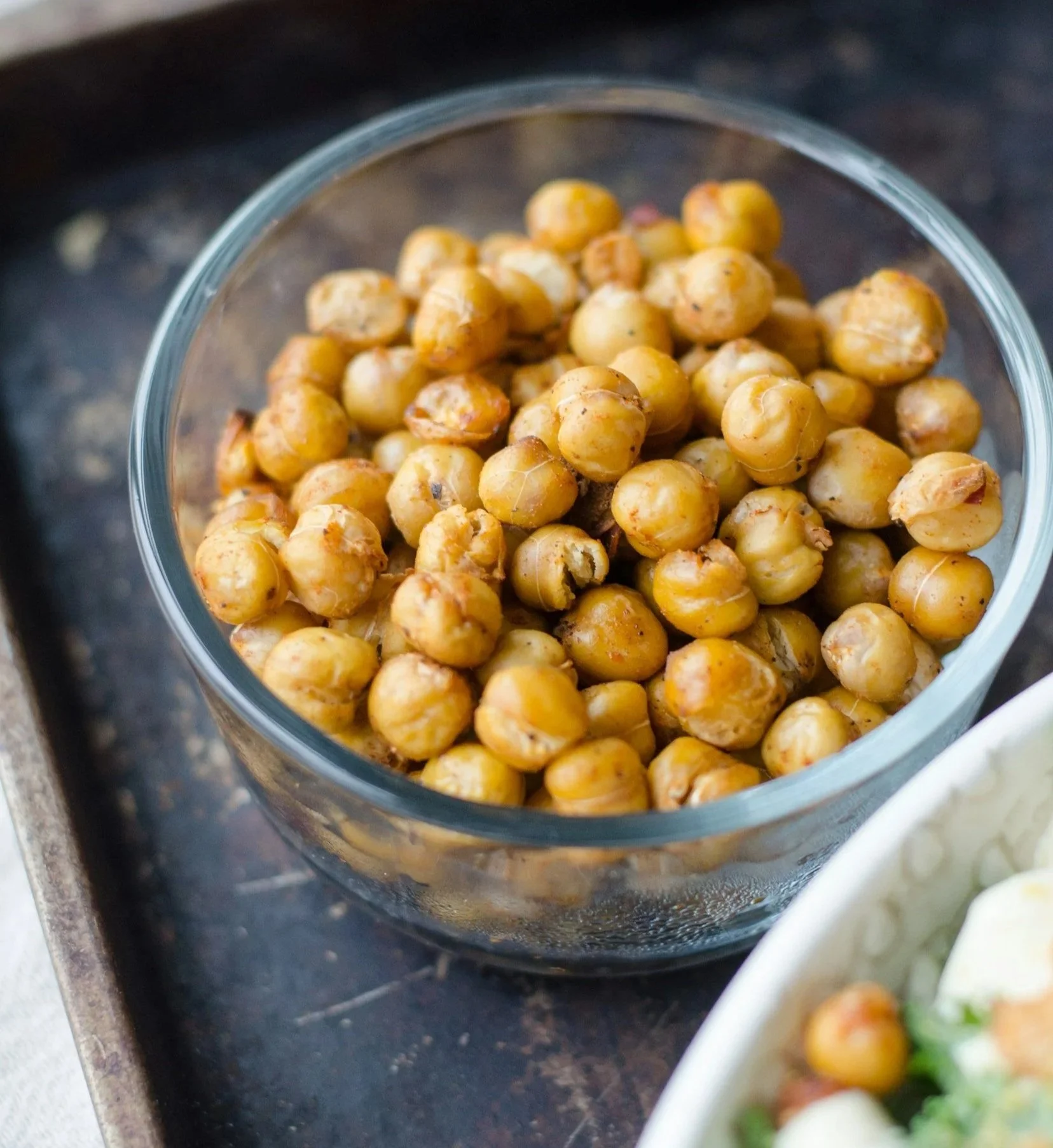
Best Foods to Support Weight Loss During Menopause
Menopause can make weight management feel like an uphill battle — especially when metabolism slows and fat begins to redistribute around the midsection. But with the right nutrition strategy, it’s absolutely possible to support your hormones, protect muscle mass, and feel energized. This guide breaks down the best foods for menopause weight loss — from fiber-packed veggies and plant-based proteins to hormone-balancing healthy fats and phytoestrogen-rich foods — and shows you how to create a simple, sustainable menopause diet plan that helps you thrive through this transition.

Why Weight Loss Becomes Harder During Perimenopause
Weight loss during menopause can feel frustratingly difficult due to hormonal changes, slower metabolism, and lifestyle stressors. Declining estrogen, muscle loss, and insulin resistance all contribute to increased belly fat and a reduced ability to burn calories. Poor sleep, stress, and less activity add to the challenge. But menopause weight loss isn’t impossible — strategies like strength training, higher protein intake, better sleep, stress management, and smart nutrition choices can help women lose weight and feel stronger in midlife.