
Measuring Belly Fat in Menopause—What Actually Matters (Belly Fat series, #2)
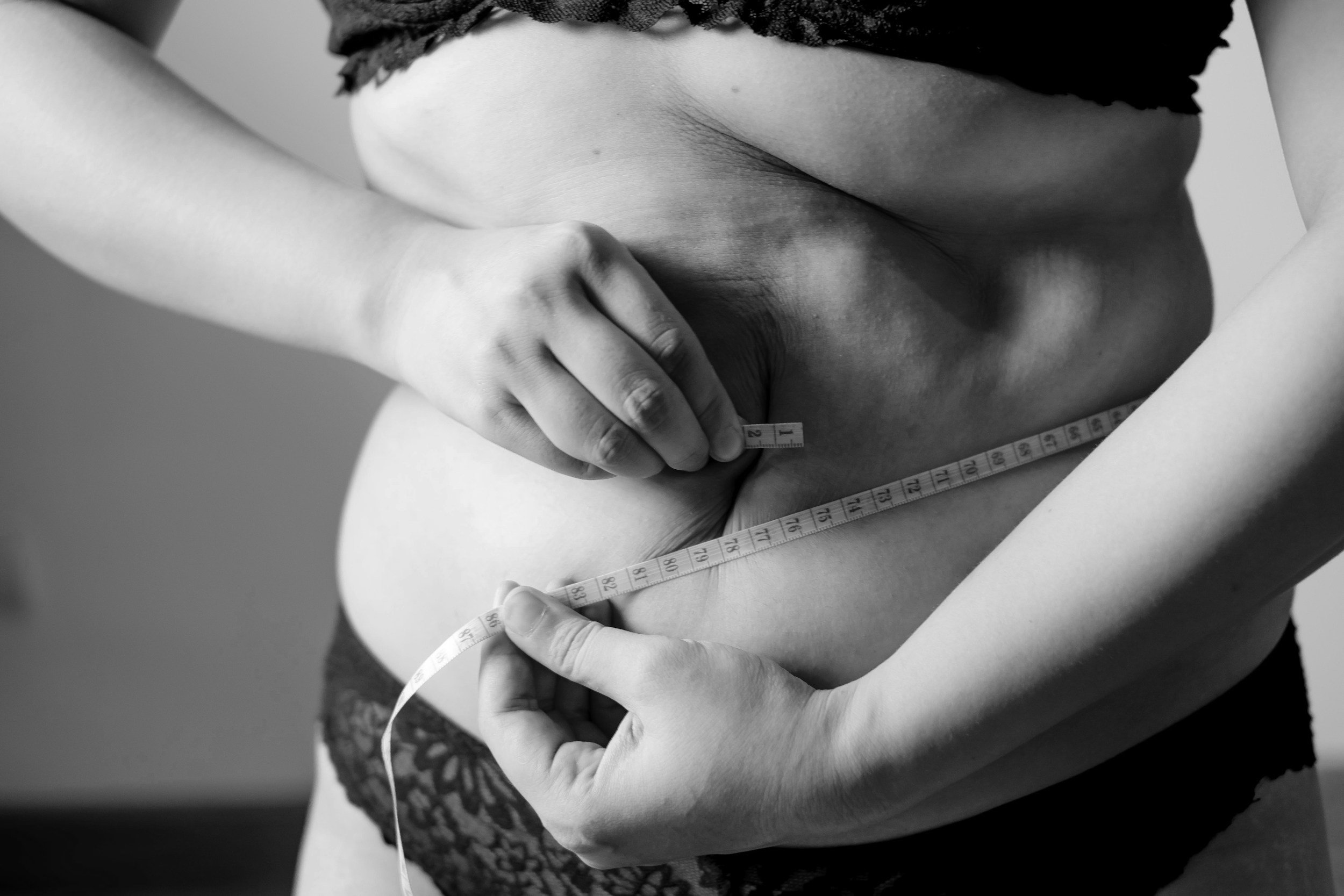
One of the most common frustrations women experience in midlife is the disconnect between effort and results. You may feel like your body is changing despite maintaining the same habits—and often, the scale doesn’t fully reflect what’s happening.
This is because menopause is less about weight change alone and more about body composition change. In other words, the proportion of fat to muscle is shifting, even if total body weight remains relatively stable.
Relying on the scale alone can therefore be misleading. It cannot distinguish between fat mass and lean mass, which are moving in opposite directions during menopause—fat increasing, muscle decreasing.
To truly understand what’s happening, it’s important to measure the right things.
There are three key metrics that provide a more accurate and clinically meaningful picture:
Weight: Useful for identifying long-term trends, but should never be used in isolation
Waist circumference: A simple but powerful marker of abdominal fat and cardiometabolic risk
Body composition (DEXA scan): The most precise method for assessing fat mass, lean mass, and visceral fat distribution
DEXA-based studies in postmenopausal women clearly demonstrate increases in abdominal (android) fat and reductions in lean mass over time, even in the absence of large weight changes.
Waist circumference, in particular, deserves more attention in clinical and everyday settings. It is strongly correlated with visceral fat and is a better predictor of metabolic risk than weight alone. A rising waist measurement often signals increasing insulin resistance and cardiovascular risk—even when the scale appears stable.
Measuring body composition does more than provide data—it changes how we approach health. It shifts the focus away from simply “losing weight” to improving metabolic health, preserving muscle, and reducing harmful fat (visceral fat).
A practical approach to monitoring that we recommend to our patients is as follows:
Weigh yourself weekly under consistent conditions (same scale, same time of day, same clothes or no clothes)
Measure waist circumference at the narrowest part of your waist with a tape measure weekly to monthly
Body composition DEXA scan every 4-6 months
This type of tracking allows for more targeted interventions and more meaningful progress evaluation.
In the next post, we’ll explore exactly how to intervene—starting with the most powerful tool available: exercise.
References:
Greendale GA, Sternfeld B, Huang M, Han W, Karvonen-Gutierrez C, Ruppert K, Cauley JA, Finkelstein JS, Jiang SF, Karlamangla AS. Changes in body composition and weight during the menopause transition. JCI Insight. 2019 Mar 7;4(5):e124865.
