
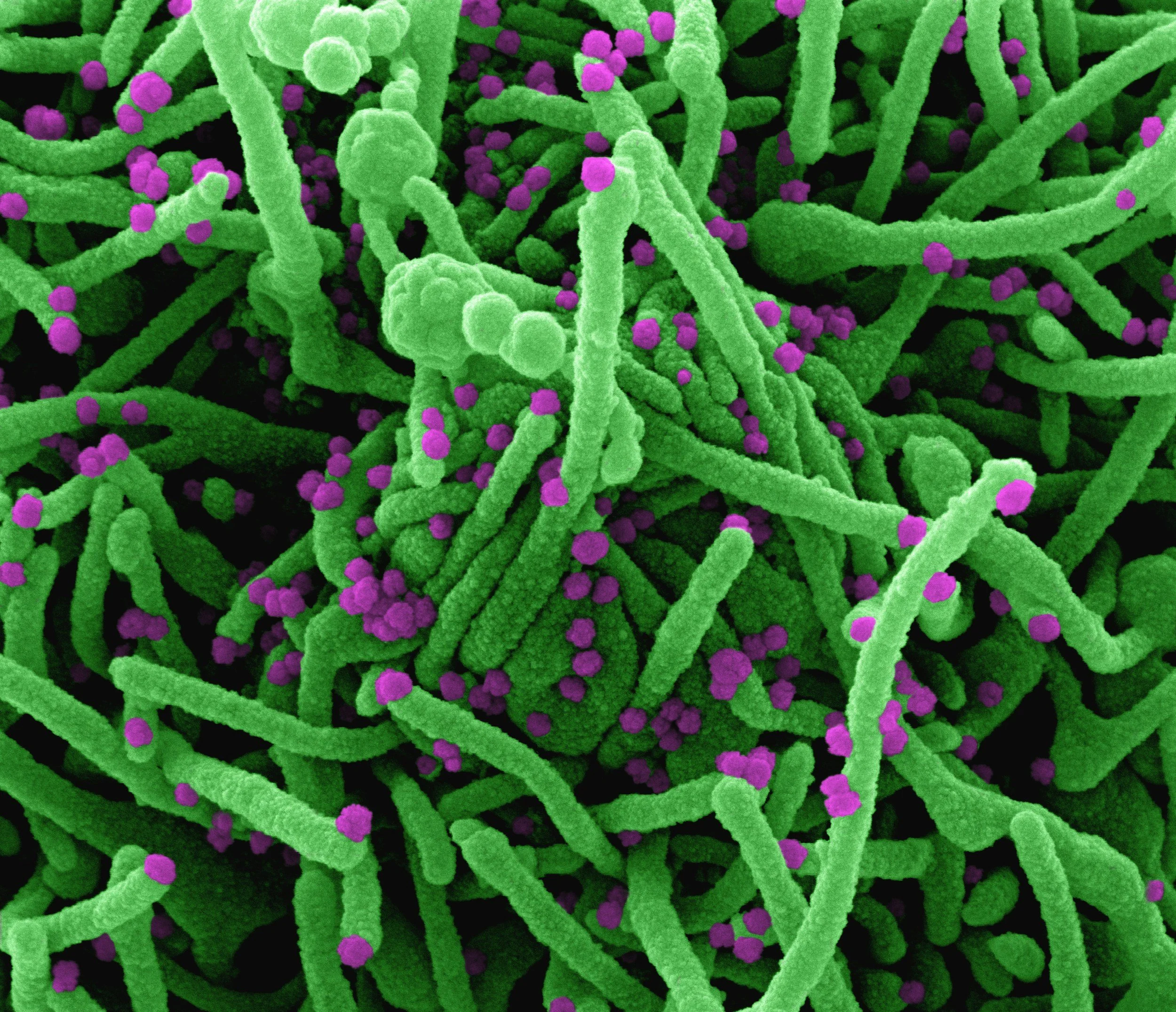
Menopause is often framed around hot flashes, mood changes, and shifting hormones—but beneath the surface, another powerful transition is happening: changes in the gut microbiome. This internal ecosystem of trillions of bacteria plays a critical role in metabolism, immune function, inflammation, and even hormone regulation. As estrogen declines, the gut microbiome shifts in ways that can influence how women feel, function, and age.
Understanding this connection opens the door to more targeted, effective strategies for navigating midlife health.
What Is the Gut Microbiome—and Why Does It Matter?
The gut microbiome refers to the diverse community of microorganisms living primarily in the large intestine. These microbes are not passive; they actively contribute to:
• Digestion and nutrient absorption
• Immune system regulation
• Production of key metabolites (like short-chain fatty acids)
• Maintenance of the gut lining
• Hormone metabolism, including estrogen
A healthy microbiome is diverse, resilient, and balanced. When this balance is disrupted—a state known as dysbiosis—it can contribute to inflammation, metabolic dysfunction, and increased disease risk.
The Estrogen–Gut Connection
One of the most fascinating links between menopause and gut health is the estrobolome—a subset of gut bacteria involved in metabolizing estrogen.
In premenopausal women, the gut microbiome helps regulate circulating estrogen levels by:
• Deconjugating estrogen in the gut converting estrogen into active forms
• Allowing it to be reabsorbed into circulation
As estrogen levels decline during menopause, several changes occur:
• Reduced microbial diversity
• Shifts in bacterial composition
• Decreased activity of estrogen-metabolizing bacteria
These changes can further influence estrogen balance, creating a feedback loop that may amplify symptoms and long-term health risks.
How Menopause-Related Gut Changes Show Up
Microbiome shifts during menopause are subtle but impactful. They can contribute to:
1. Increased Central Weight Gain
Changes in gut bacteria can affect how the body extracts energy from food, regulates appetite hormones, and stores fat—particularly in the abdominal region.
2. Higher Inflammation
A less diverse microbiome is associated with increased intestinal permeability (“leaky gut”) and systemic inflammation, which is linked to cardiovascular disease, insulin resistance, and cognitive decline.
3. Digestive Changes
Bloating, constipation, or new food sensitivities may emerge or worsen during midlife.
4. Mood and Cognitive Shifts
The gut-brain axis plays a major role in serotonin production and neurotransmitter signaling. Microbiome changes may contribute to anxiety, low mood, and brain fog.
5. Bone and Metabolic Health
Gut bacteria influence calcium absorption, vitamin D metabolism, and insulin sensitivity—all critical in postmenopausal health.
The Gut–Brain–Hormone Axis
The gut microbiome is deeply intertwined with both the nervous system and endocrine system. This triad—gut, brain, and hormones—helps explain why menopause symptoms often don’t occur in isolation.
For example:
• Poor gut health → increased inflammation → worsened hot flashes
• Dysbiosis → altered neurotransmitter production → mood instability
• Microbiome imbalance → impaired estrogen recycling → more pronounced hormonal fluctuations
This interconnected system means that supporting gut health can have wide-reaching benefits.
How to Support Your Gut Microbiome in Menopause
The encouraging news is that the gut microbiome is highly modifiable. Small, consistent changes can lead to meaningful improvements.
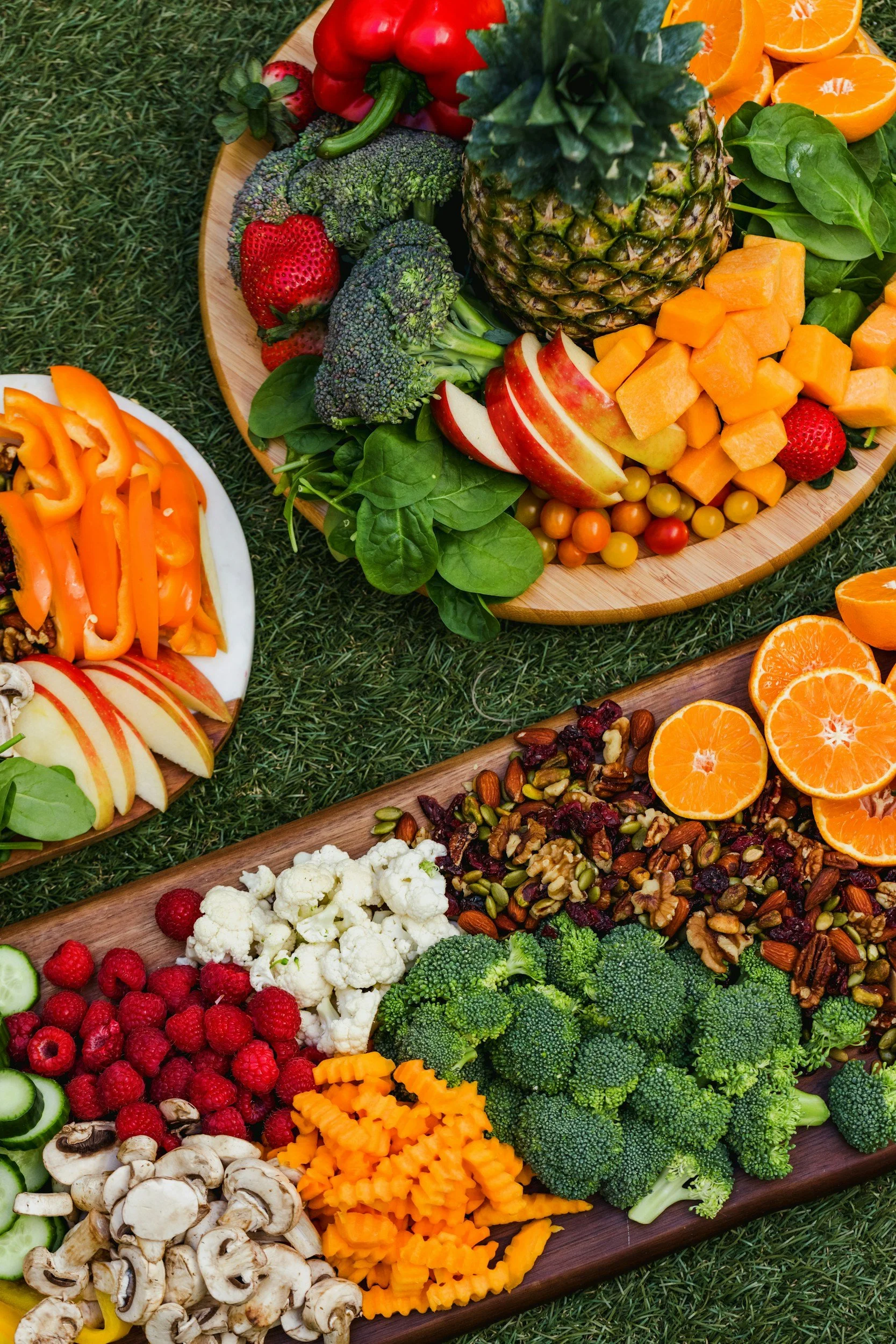
1. Prioritize a High-Polyphenol, Plant-Predominant Diet
Polyphenols act as fuel for beneficial bacteria and help reduce inflammation.
Focus on:
• Berries, pomegranate, apples
• Leafy greens and cruciferous vegetables
• Extra virgin olive oil
• Green tea, dark chocolate
Aim for 25–30+ different plant foods per week to increase microbial diversity.
2. Increase Fiber Intake (prebiotics)
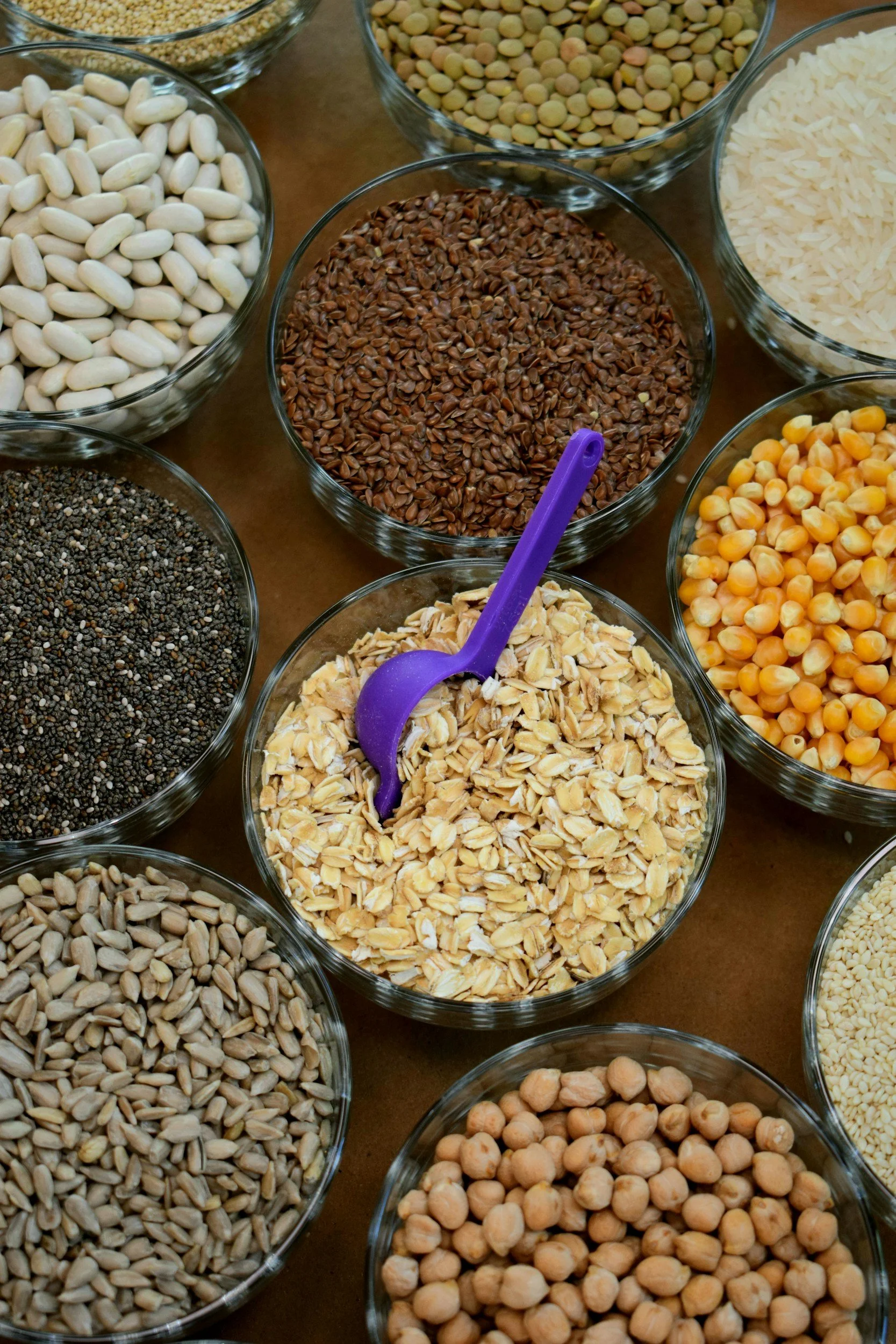
Fiber is essential for producing short-chain fatty acids, which support gut lining integrity and metabolic health and reduce inflammation.
Key sources:
• Legumes (lentils, chickpeas)
• Flaxseeds and chia seeds
• Oats and whole grains
• Vegetables and fruits
Most women fall short of the recommended 25–30 grams per day.
3. Include Fermented Foods (probiotics)
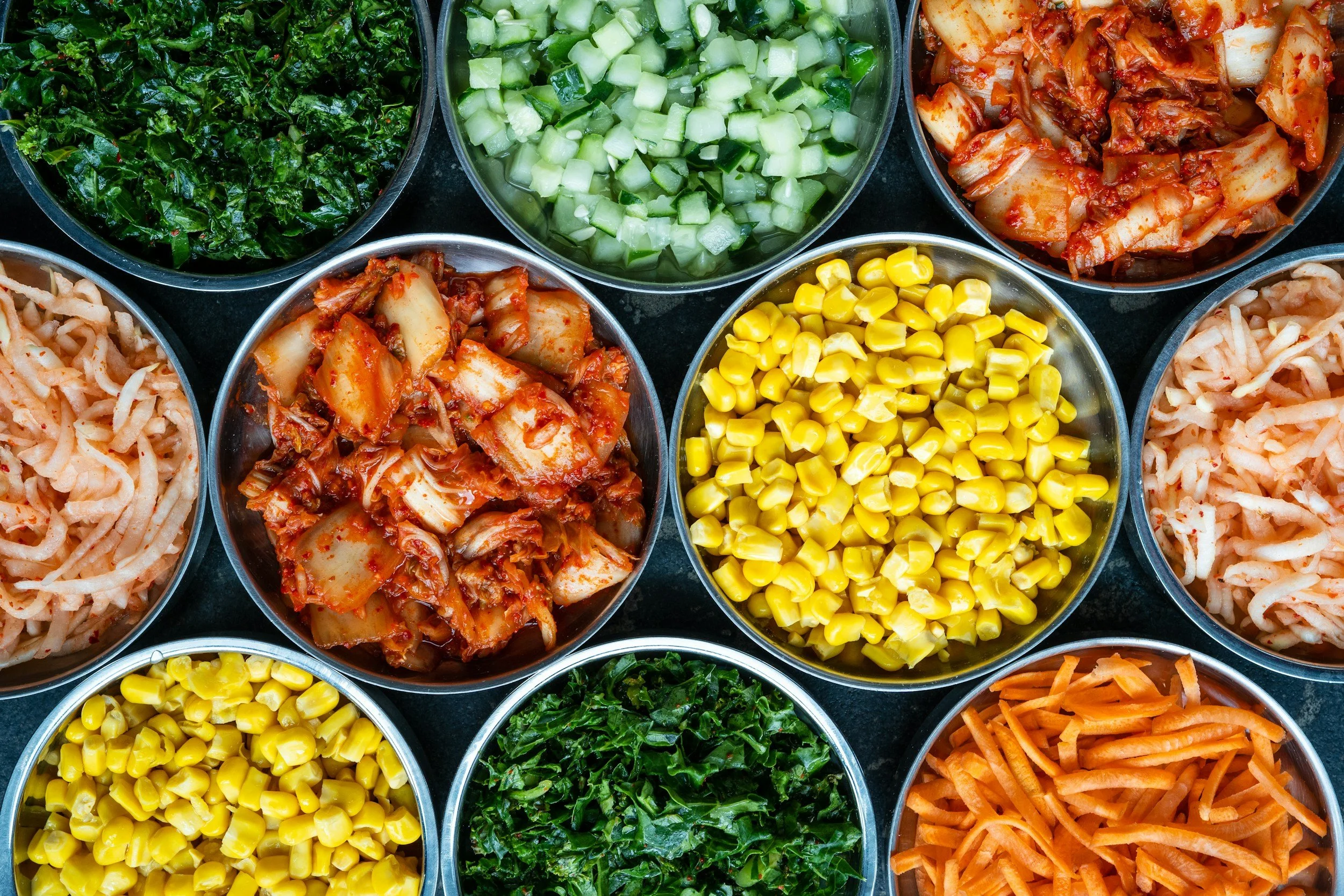
Fermented foods introduce beneficial bacteria and support microbial balance.
Examples:
• Yogurt with live cultures
• Kefir
• Sauerkraut
• Kimchi
• Miso
Even small daily servings can make a difference.
4. Support Sleep and Stress Regulation
Chronic stress and poor sleep negatively impact the microbiome and increase inflammation.
Prioritize:
• Consistent sleep schedule
• Morning light exposure
• Stress-reducing practices (walking, breathwork, mindfulness)
5. Consider Targeted Supplementation
In some cases, supplements may be helpful (look for quality control labels such as NSF, NSF Certified Sport, Informed Choice Sport, USP or other verified independent 3rd party testing sources):
• Probiotics (strain-specific, goal-oriented)
• Prebiotics (to feed beneficial bacteria)
• Omega-3 fatty acids (anti-inflammatory support)
Personalization matters—what works for one person may not work for another.
6. Be Thoughtful with Medications
Frequent antibiotic use, certain acid blockers, and ultra-processed diets can disrupt the microbiome. When possible, use medications judiciously and support gut recovery afterward.
A New Lens on Midlife Health
Menopause is not just a hormonal transition—it is a whole-body recalibration. The gut microbiome sits at the center of this shift, influencing everything from metabolism to mood to long-term disease risk.
By understanding and supporting gut health, women can move beyond symptom management toward a more comprehensive, root-cause approach to feeling well in midlife and beyond.
The Bottom Line
If your body feels different in menopause, you’re not imagining it—and it’s not just about estrogen.
Your gut microbiome is changing too.
The good news? It’s one of the most powerful—and modifiable—levers you have to improve how you feel, function, and age.
References
Compositional and Functional Features of the Female Premenopausal and Postmenopausal Gut Microbiota. Zhao H, Chen J, Li X, et al. FEBS Letters. 2019;593(18):2655-2664. doi:10.1002/1873-3468.13527.
Gut-Brain Communication in Menopause: Insights Into Neuroendocrine and Microbiome Interactions. Cuozzo M, O'Connor C, Power E, Gleeson E, O'Mahony S. The Proceedings of the Nutrition Society. 2026;:1-35. doi:10.1017/S0029665126102201.
Estrogen-Gut Microbiome Axis: Physiological and Clinical Implications. Baker JM, Al-Nakkash L, Herbst-Kralovetz MM. Maturitas. 2017;103:45-53. doi:10.1016/j.maturitas.2017.06.025.
Mechanistic Pathways of Estrogen Mitigating Postmenopausal Gut Dysbiosis. Chaudhary R, Bansal N, Sharma S, et al. Molecular Biology Reports. 2025;53(1):45. doi:10.1007/s11033-025-11179-7.
Menopause and Gastrointestinal Health and Disease. Ley D, Saha S. Nature Reviews. Gastroenterology & Hepatology. 2025;:10.1038/s41575-025-01075-7. doi:10.1038/s41575-025-01075-7.
Bidirectional Communication of Estrogen in Gut-Brain Axis: Evidence From Preclinical and Clinical Studies. Chaudhary R, Bansal N, Sharma S, et al. Current Drug Targets. 2026;:CDT-EPUB-152630. doi:10.2174/0113894501406082251019170714.
Health Disorders in Menopausal Women: Microbiome Alterations, Associated Problems, and Possible Treatments. Lin F, Ma L, Sheng Z. Biomedical Engineering Online. 2025;24(1):84. doi:10.1186/s12938-025-01415-3.
Effects of Non-Pharmacological Interventions on Gut Microbiota and Intestinal Permeability in Older Adults: A Systematic Review: Non-Pharmacological Interventions on Gut Microbiota/Barrier. Hairul Hisham HI, Lim SM, Neoh CF, et al. Archives of Gerontology and Geriatrics. 2025;128:105640. doi:10.1016/j.archger.2024.105640.