

For many women, pregnancy feels like a temporary chapter—nine months followed by delivery, recovery, and the transition into motherhood. But from a medical perspective, pregnancy acts as a powerful “stress test” for the body. The physiologic demands of pregnancy can reveal underlying vulnerabilities in metabolism, cardiovascular health, and vascular function that may not become obvious until later in life.
Research over the past two decades has shown that complications such as gestational diabetes, hypertensive disorders of pregnancy, preeclampsia, preterm birth, and delivering a low birth weight infant are not isolated events. Instead, they are important predictors of future chronic disease risk.
Understanding your obstetric history is one of the most valuable—but often overlooked—parts of preventive healthcare.
Pregnancy as a Window Into Future Health
During pregnancy, the body undergoes dramatic changes:
Increased insulin resistance
Increased blood volume and cardiac output
Changes in lipid metabolism
Altered immune and inflammatory signaling
Significant vascular adaptation
Most women adapt successfully to these changes. However, when complications arise, they may signal an increased predisposition to conditions such as:
Cardiovascular disease
Type 2 diabetes
Hypertension
Stroke
Kidney disease
Metabolic syndrome
Cognitive decline later in life
For this reason, major medical organizations now recognize adverse pregnancy outcomes as important cardiovascular and metabolic risk factors.
Gestational Diabetes: More Than “Diabetes During Pregnancy”
Gestational diabetes mellitus (GDM) occurs when blood sugar levels rise during pregnancy due to increased insulin resistance.
Although glucose levels often return to normal after delivery, the long-term implications are substantial.
Women with a history of gestational diabetes have:
A significantly increased risk of developing type 2 diabetes later in life
Higher rates of insulin resistance and metabolic syndrome
Increased risk of cardiovascular disease
Greater likelihood of recurrent gestational diabetes in future pregnancies
Studies suggest that up to 50% of women with gestational diabetes develop type 2 diabetes within 10 years if preventive measures are not taken.
Importantly, gestational diabetes may appear years before traditional diabetes risk factors become obvious. In many ways, it serves as an early warning sign.
Hypertensive Disorders of Pregnancy and Cardiovascular Risk
Hypertensive disorders of pregnancy include:
Gestational hypertension
Preeclampsia
Eclampsia
Chronic hypertension with superimposed preeclampsia
Among these, preeclampsia is especially important because it reflects dysfunction of the blood vessels and endothelium—the inner lining of blood vessels that plays a critical role in cardiovascular health.
Women with a history of preeclampsia have:
Approximately double the risk of future cardiovascular disease
Increased risk of chronic hypertension
Higher rates of stroke
Increased risk of heart failure and ischemic heart disease
Greater risk of kidney disease
The risk is even higher in women who:
Had severe or early-onset preeclampsia
Experienced recurrent preeclampsia
Delivered preterm due to hypertensive complications
These associations may emerge relatively early—sometimes within 5–10 years after pregnancy.
Other Obstetric Complications Linked to Future Health Risks
Preterm Birth
Women who deliver preterm may have higher long-term cardiovascular risk, even in the absence of preeclampsia.
Recurrent Pregnancy Loss
Emerging evidence suggests possible associations between recurrent pregnancy loss and later cardiovascular or autoimmune disease risk.
Delivering a Low Birth Weight or Growth-Restricted Infant
This may reflect underlying placental or vascular dysfunction, which can also correlate with maternal cardiovascular risk later in life.
Stillbirth
A history of stillbirth has also been associated with increased future cardiovascular disease risk and warrants careful long-term preventive care.
Why These Risks Are Often Missed
One major challenge is that obstetric history is frequently separated from ongoing adult medical care.
Many women:
Are never informed that pregnancy complications carry long-term health implications
Transition away from obstetric care after delivery without follow-up risk assessment
Do not realize their pregnancy history is medically relevant decades later
As a result, opportunities for early prevention are often missed.
Your pregnancy history should be considered part of your lifelong health record.
What Women Can Do to Monitor Their Health
The good news is that recognizing risk early creates an opportunity for prevention.
Women with a history of gestational diabetes or hypertensive disorders of pregnancy should discuss ongoing monitoring with their healthcare provider.
Important areas to monitor include:
Blood Pressure
Blood pressure should be checked regularly, even in younger women who otherwise feel healthy.
Blood Sugar and Insulin Resistance
Women with prior gestational diabetes should undergo:
Postpartum glucose testing
Ongoing diabetes screening every 1–3 years depending on risk factors
Screening may include:
Hemoglobin A1c
Fasting glucose
Fasting insulin
Oral glucose tolerance testing when appropriate
Cholesterol and Metabolic Health
Periodic evaluation of:
Lipid levels
Waist circumference
Weight trends
Markers of metabolic syndrome
can help identify early cardiometabolic risk.
Kidney Function
Women with prior preeclampsia may benefit from monitoring:
Kidney function
Urine protein
Blood pressure trends
Cardiovascular Risk Assessment
Women with adverse pregnancy outcomes should ensure their providers are aware of this history so it can be incorporated into cardiovascular risk discussions.
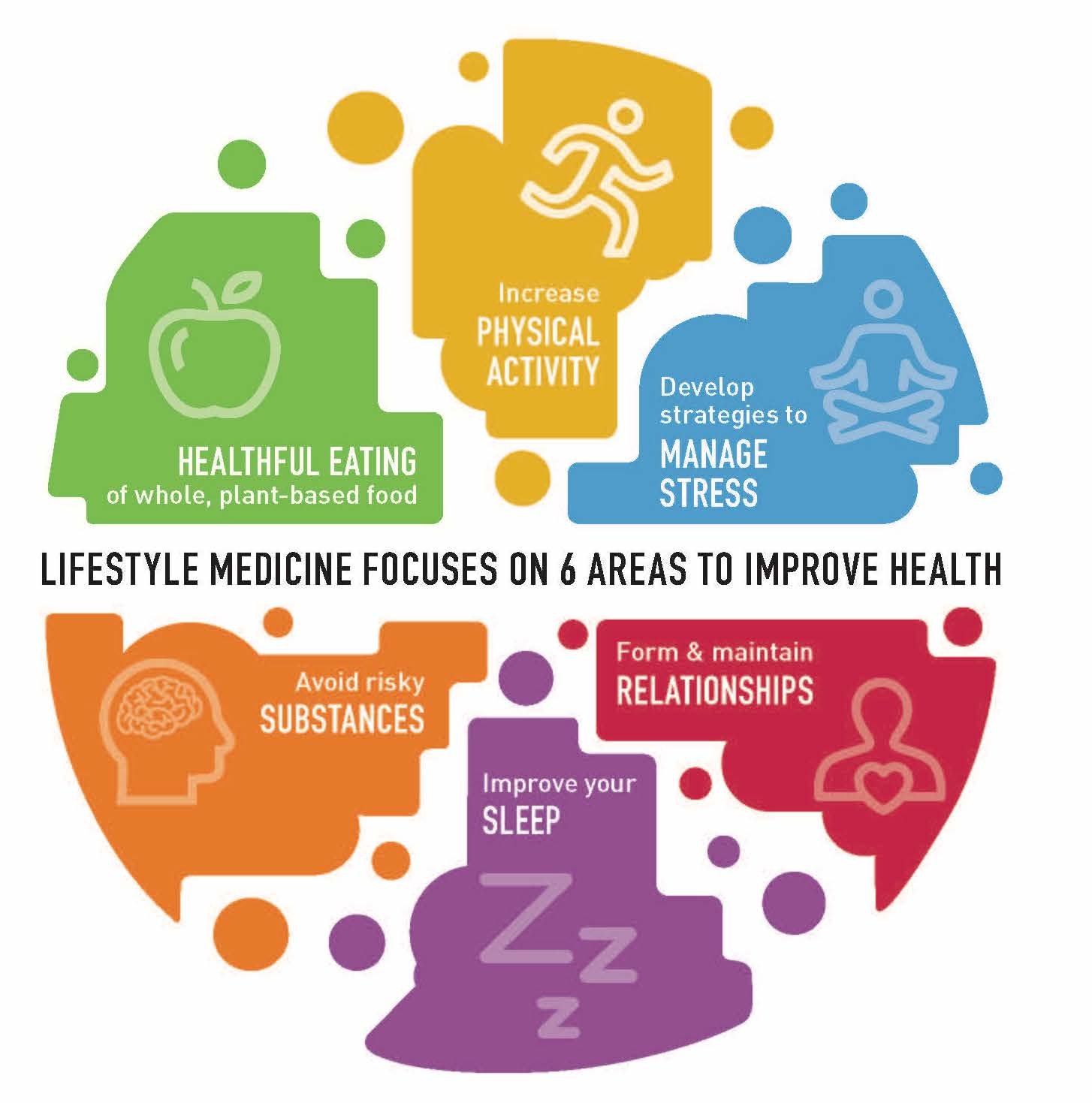
Lifestyle Strategies That Help Reduce Long-Term Risk
While genetics and pregnancy complications cannot be changed retroactively, lifestyle interventions can significantly reduce future disease risk.
Prioritize Physical Activity
Regular exercise improves:
Insulin sensitivity
Blood pressure
Endothelial function
Body composition
Cardiovascular health
Both aerobic exercise and resistance training are beneficial.
Focus on Nutrition Quality
A nutrient-dense, anti-inflammatory eating pattern can help reduce cardiometabolic risk.
Research consistently supports diets rich in:
Vegetables and fruits
Fiber
Legumes
Nuts and seeds
Healthy fats
Lean proteins
Polyphenol-rich foods
Reducing ultra-processed foods and excessive added sugars is particularly important after gestational diabetes.
Support Healthy Sleep
Poor sleep contributes to:
Insulin resistance
Hypertension
Weight gain
Inflammation
Sleep is a foundational component of long-term health.
Avoid Smoking and Limit Alcohol
Smoking dramatically increases cardiovascular risk, especially in women with existing vascular vulnerability.
Maintain Regular Preventive Care
Routine medical follow-up allows earlier detection and treatment of:
Hypertension
Prediabetes
Diabetes
Dyslipidemia
Cardiovascular disease
A Shift Toward Preventive Women’s Health
Historically, pregnancy complications were viewed as conditions limited to pregnancy itself. Today, we understand they provide valuable insight into a woman’s future health trajectory.
Rather than seeing gestational diabetes or preeclampsia as isolated events, clinicians increasingly recognize them as opportunities for early intervention and prevention.
This shift matters because cardiovascular disease remains the leading cause of death in women—and many risks begin years or even decades before symptoms appear.
Final Thoughts
Your obstetric history is not separate from your long-term health—it is part of it.
Complications such as gestational diabetes and hypertensive disorders of pregnancy can provide early clues about future metabolic and cardiovascular risk. But importantly, they also offer an opportunity: the chance to identify risk earlier, monitor more intentionally, and intervene before chronic disease develops.
Women deserve to understand these connections—not to create fear, but to empower informed, proactive healthcare that supports long-term wellness across every stage of life.