
The Science of Exercise for Menopausal Belly Fat (Belly Fat series, #3)
Many women respond to midlife body changes by doing more cardio—but during menopause, that strategy alone often isn’t enough. The physiology has shifted. Muscle loss accelerates, fat—particularly visceral fat—increases, and metabolism becomes less forgiving. To see meaningful results, exercise needs to evolve alongside these changes.
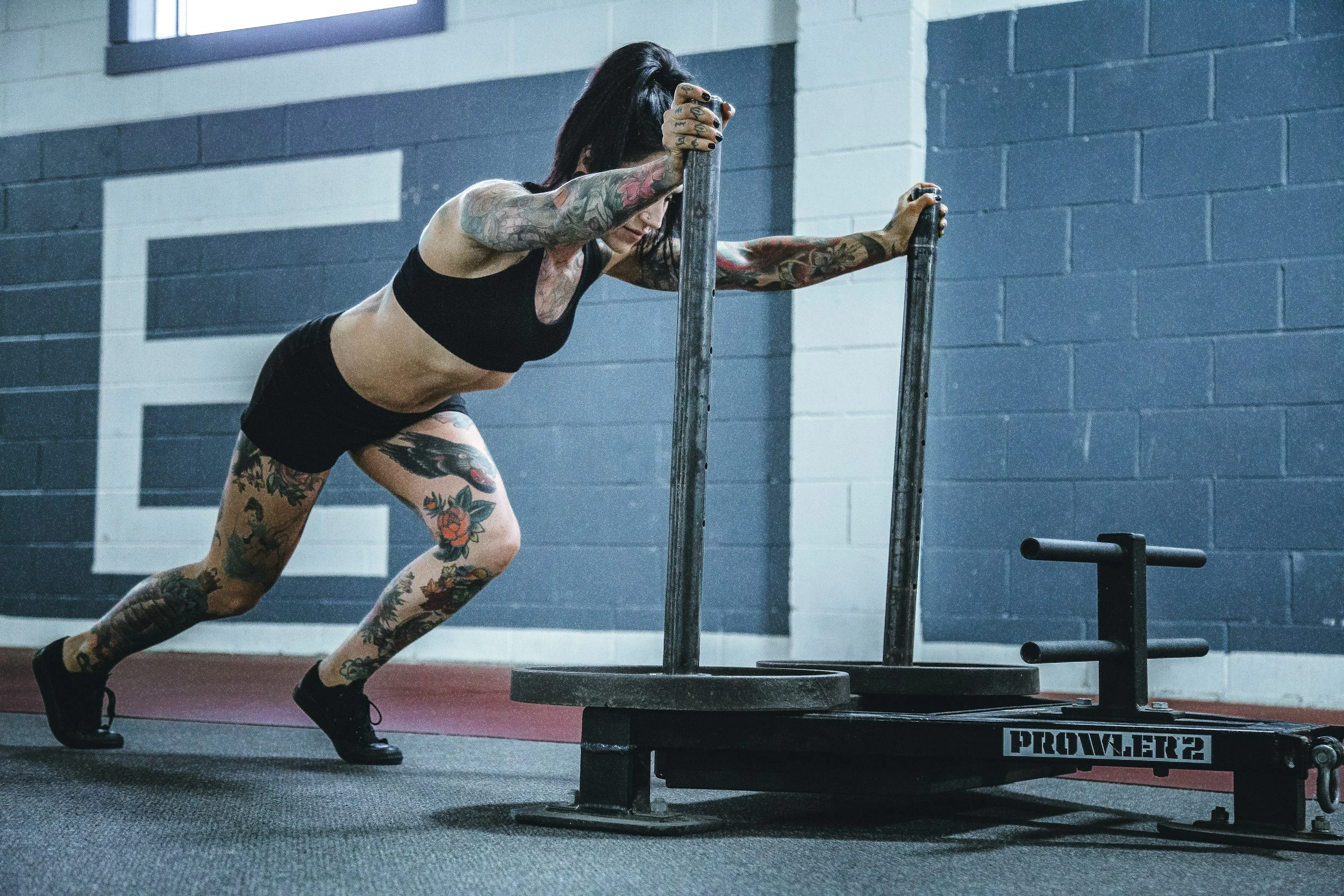
The goal is no longer just burning calories—it’s rebuilding and preserving muscle while reducing harmful fat. Strength training becomes essential, helping to maintain metabolically active tissue and support a healthier resting metabolism. At the same time, cardiovascular exercise plays a critical role in improving heart health, increasing calorie expenditure, and enhancing insulin sensitivity.
Adding high-intensity interval training (HIIT) can further amplify results, particularly when it comes to reducing abdominal and visceral fat. Short bursts of intense effort followed by recovery periods have been shown to deliver powerful metabolic benefits in less time.
The most effective approach is a combination of all three: strength training to protect muscle, cardio to support overall health, and HIIT to specifically target visceral fat. When used together, these strategies work with your body’s changing physiology—helping you achieve results that feel aligned, sustainable, and effective.