
Is Soy Safe? Debunking the Myths with Real Science
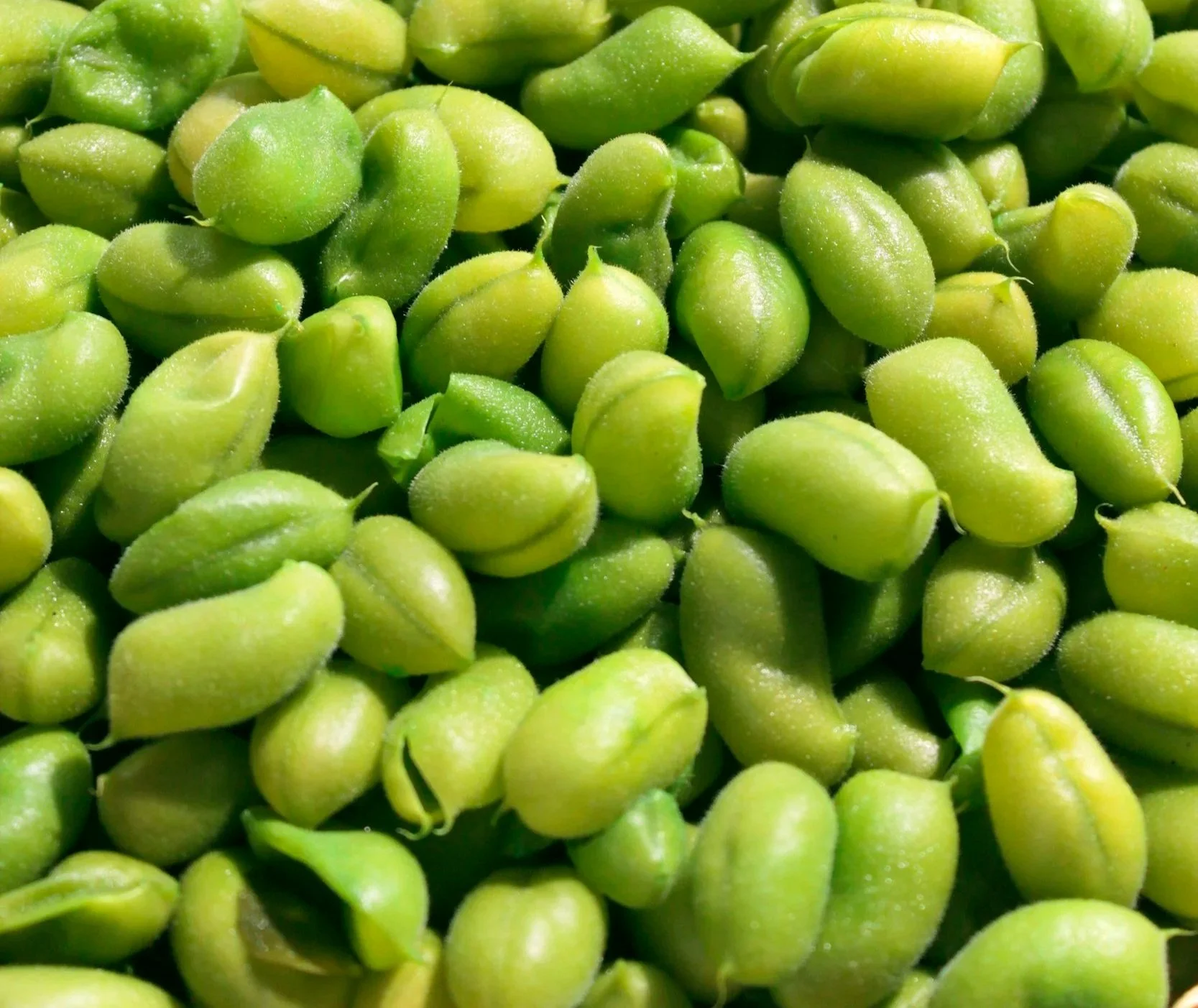
Soy is one of the most extensively studied foods in nutrition science, yet it remains one of the most misunderstood—especially among women in midlife. Many people believe they should avoid soy due to fears about breast cancer, hormone disruption, or thyroid effects. These concerns largely stem from early rodent studies, which suggested estrogen-like activity of soy isoflavones. The problem? Rodents metabolize isoflavones very differently than humans, making those findings misleading when applied to human physiology.
Misconceptions also came from misunderstanding the difference between whole soy foods (tofu, tempeh, edamame, soy milk) and highly processed soy isolates used in early supplements and food products. Much of the negative publicity was directed at the latter—not the minimally processed soy foods consistently shown in large population studies to be safe and beneficial.
Another source of confusion is the assumption that isoflavones behave like estrogen therapy. In reality, soy isoflavones function as selective estrogen receptor modulators (SERMs), meaning their effects are mild, tissue-specific, and regulatory, not uniformly estrogenic. Their activity depends heavily on which estrogen receptor type they bind to.
How Soy Isoflavones Work: A Physiology Primer
Soybeans contain naturally occurring compounds called isoflavones, primarily genistein and daidzein. These phytoestrogens share structural similarities with estradiol, allowing them to bind to estrogen receptors and exert targeted, modulatory effects.
Preferential Binding to ER-β
The human body contains two main estrogen receptors (ER):
ER-α
ER-β
Isoflavones—especially genistein—bind preferentially to ER-β, with an affinity roughly 20–30 times higher than for ER-α. This distinction is critical because ER-β activation generally produces anti-proliferative, anti-inflammatory, and regulatory effects, whereas ER-α activation is more associated with cell growth. This receptor selectivity helps explain why soy is safe even for women with breast cancer.
Where ER-β Receptors Are Found
ER-β receptors are concentrated in tissues highly relevant to women’s health and aging:
Bone: Regulates turnover and supports bone strength
Brain & hypothalamus: Influences temperature regulation, mood, cognition
Blood vessels: Modulates vascular tone and endothelial health
Urogenital tract: Supports tissue integrity and function
Breast tissue: Produces anti-proliferative effects
Prostate and colon: Helps regulate cell growth and inflammation
Because isoflavones preferentially activate ER-β, their effects are best described as gentle, balancing, and protective, rather than hormone-stimulating.
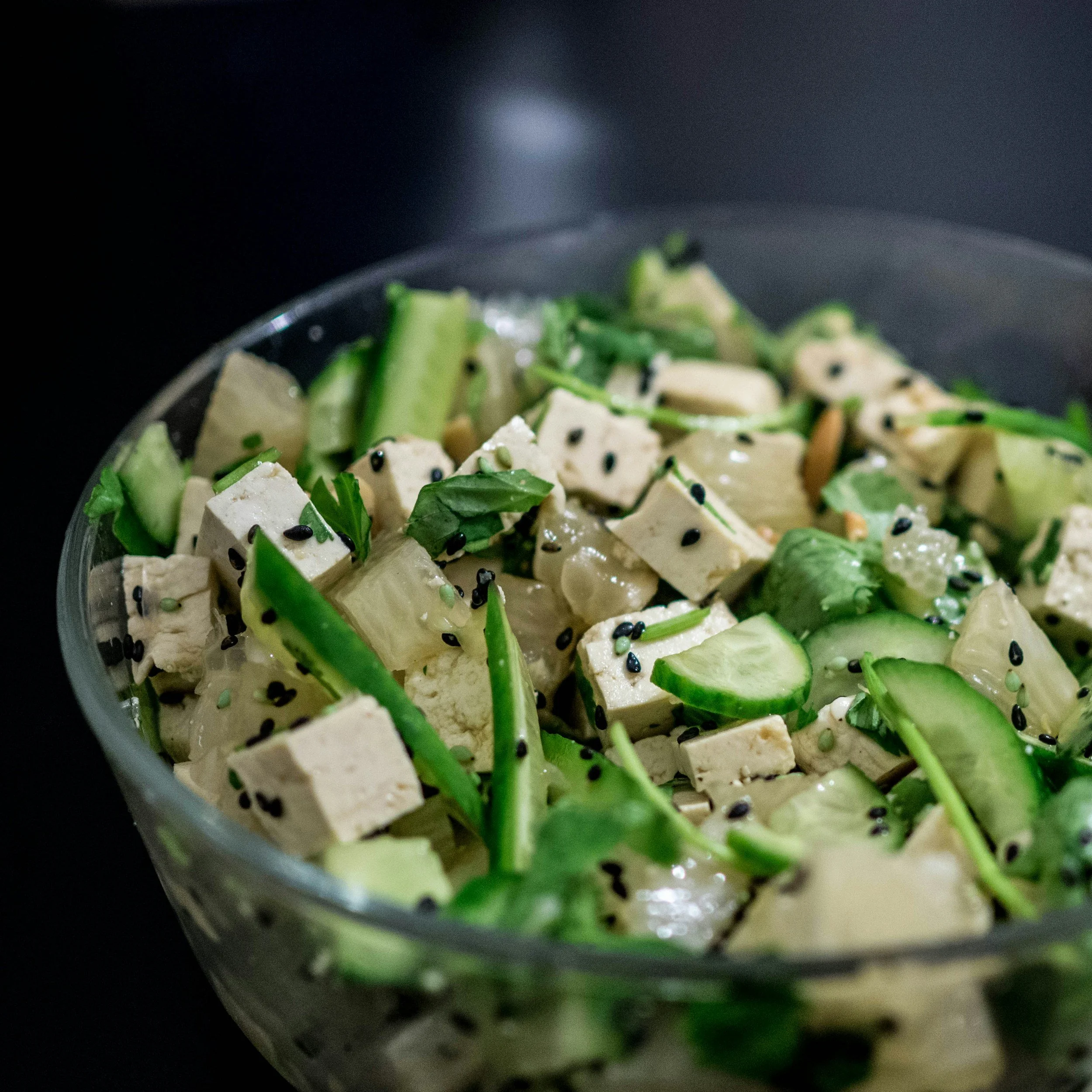
Clinically Supported Benefits of Soy Foods
1. Cardiovascular Health
Regular soy intake—especially when substituting for higher–saturated-fat animal proteins—can modestly reduce LDL cholesterol and support vascular health. Isoflavones may further benefit endothelial function.
Supporting evidence:
Messina M et al., Nutrients (2021); Jenkins DJA et al., JAMA (2011)
2. Bone Health in Midlife and Beyond
ER-β is highly expressed in bone tissue, and isoflavones exert mild estrogen-like effects that help reduce bone resorption and may modestly improve bone mineral density.
This makes soy a helpful nutritional strategy for peri- and postmenopausal women—especially those not using menopausal hormone therapy.
Supporting evidence:
Wei P et al., Climacteric (2012); Taku K et al., JCEM (2010)
3. Reduction in Menopause Symptoms
Isoflavone-rich soy foods can reduce the frequency and severity of hot flashes. The effect is strongest in individuals who can convert the isoflavone daidzein into equol, a more potent ER-β agonist.
Supporting evidence:
Chen M-N et al., Climacteric (2015); Newton KM et al., Arch Intern Med (2006)
4. High-Quality Plant Protein
Soy is one of the few plant proteins that provides a complete amino acid profile, supporting muscle maintenance, metabolic health, and satiety. This is especially important during the midlife shift toward increased sarcopenia risk.
Supporting evidence:
Baum JI et al., J Nutr (2008)
5. Cancer Risk Reduction and Improved Survivorship
Large cohort studies consistently show:
Lower breast and prostate cancer incidence among habitual soy consumers
Improved survival in women diagnosed with breast cancer
Isoflavones’ preference for ER-β contributes to anti-proliferative effects in breast tissue.
Supporting evidence:
Nechuta SJ et al., JAMA (2009); Applegate CC et al., Nutrients (2018)
6. Metabolic and Weight Benefits
Soy foods support glycemic control, improve satiety, and may aid weight management—beneficial for managing midlife metabolic changes.
Supporting evidence:
Shang X et al., PLoS One (2016); Baum JI et al., J Nutr (2008)
7. Gut Health and Nutrient Density
Fermented soy foods (tempeh, miso) contain beneficial bioactive peptides and may support a more diverse gut microbiome. Soy foods are also nutrient-dense sources of:
fiber
polyunsaturated fats
potassium
magnesium
high-quality protein
Supporting evidence:
Frias J et al., Food Research International (2017); Hermsdorff HHM et al., Br J Nutr (2011)

The Bottom Line
Despite decades of confusion and mixed messaging, modern evidence is clear: whole soy foods are safe, nutritious, and beneficial for most individuals—including women in perimenopause and postmenopause, as well as breast cancer survivors.
Through their selective activation of ER-β and broad metabolic benefits, soy foods support cardiovascular health, bone density, symptom management, weight control, and long-term cancer protection. Incorporating tofu, tempeh, edamame and/or unsweetened soy milk, is a meaningful step toward lifelong health.
